
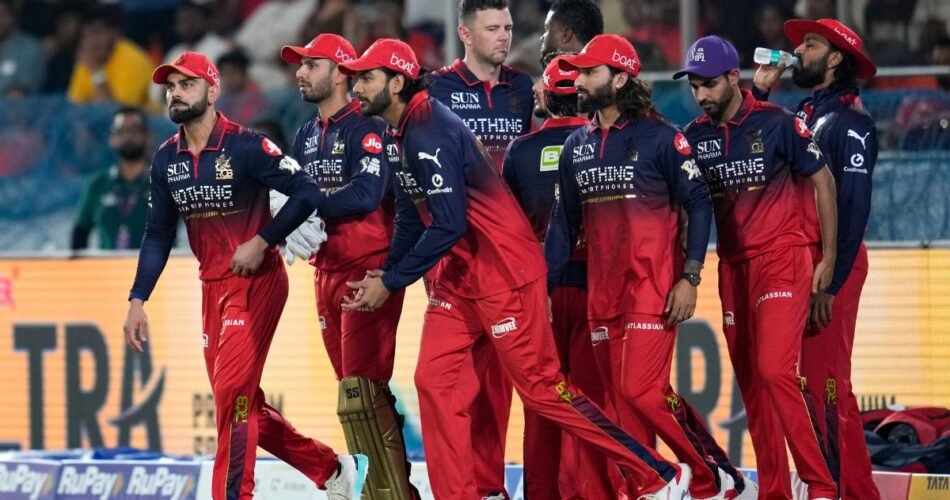
As the IPL 2026 league stage nears its end, concerns are rising about the environmental impact of running India’s biggest sporting event, especially amid the West Asia conflict. The focus is on the league’s extensive travel network, with teams constantly moving across the country in chartered flights, contributing significantly to carbon emissions. Trade bodies have raised the issue with the government, highlighting the need for policy-level discussions on the IPL’s operational emissions. The current travel system, involving large squads and frequent cross-country movements, results in a substantial carbon footprint. Suggestions have been made to explore regional scheduling models to reduce unnecessary flights, but economic factors, such as revenue generation from home matches, pose challenges. While sustainability campaigns have been introduced, critics argue that symbolic efforts may not be enough to offset the environmental impact of modern sports logistics. As the IPL evolves into a major entertainment industry, the conversation around sustainability in Indian cricket is expected to grow, emphasizing the need for potential changes in tournament scheduling and fuel transitions in the future.
Follow Franchise Cricket for more IPL news.

